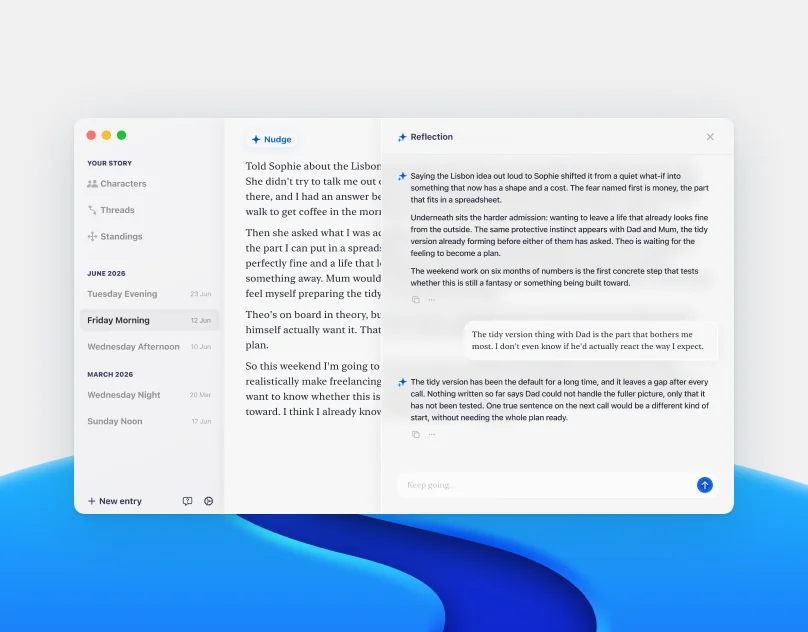

Designing and Building an AI Journal That Doesn't Talk First
macOS App Design and Development


iOS App Design and Development
Project
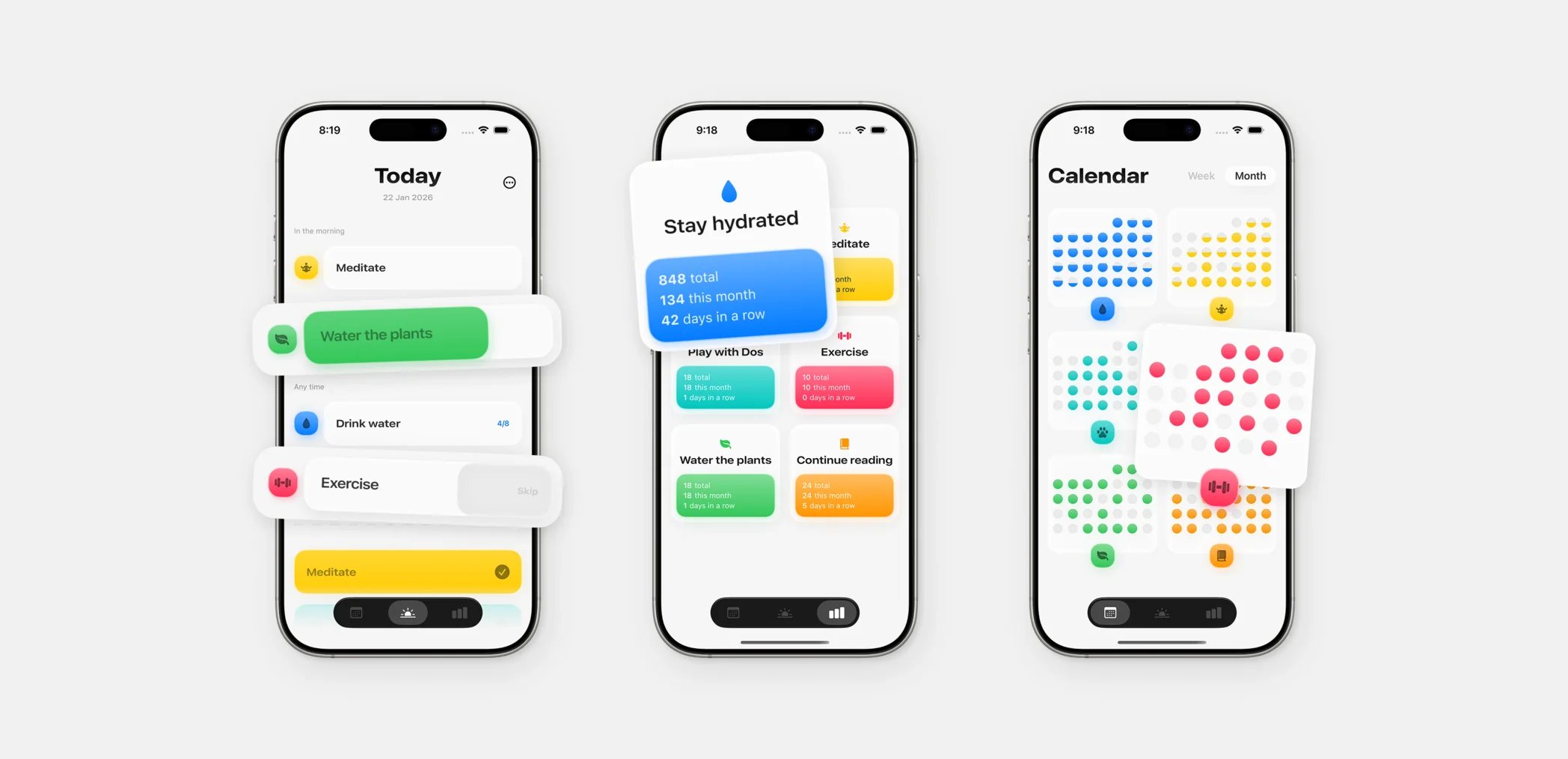
Simply Habits, an iOS habit tracker and daily planner
Problem
Habit trackers had become bloated, paywalled, and overconfigured. The category had optimized for features over the actual habit of building habits.
My Role
Solo designer and developer, from concept to App Store
Outcome
Shipped to the App Store and actively iterating based on real usage. Hundreds of active users with paying customers.
The Problem
The App Store is full of habit trackers. It is also full of complaints about them. Reddit threads, App Store reviews, and forum posts tell a consistent story: apps that started simple became bloated over time, basic features got locked behind subscriptions, and onboarding flows began to feel like configuring software rather than starting a habit.
The frustration was not with habit tracking as a concept. It was with what the apps had become. The market had a clear, repeated signal and nobody was acting on it.
Nothing fit. So I built one myself.
The Design Philosophy
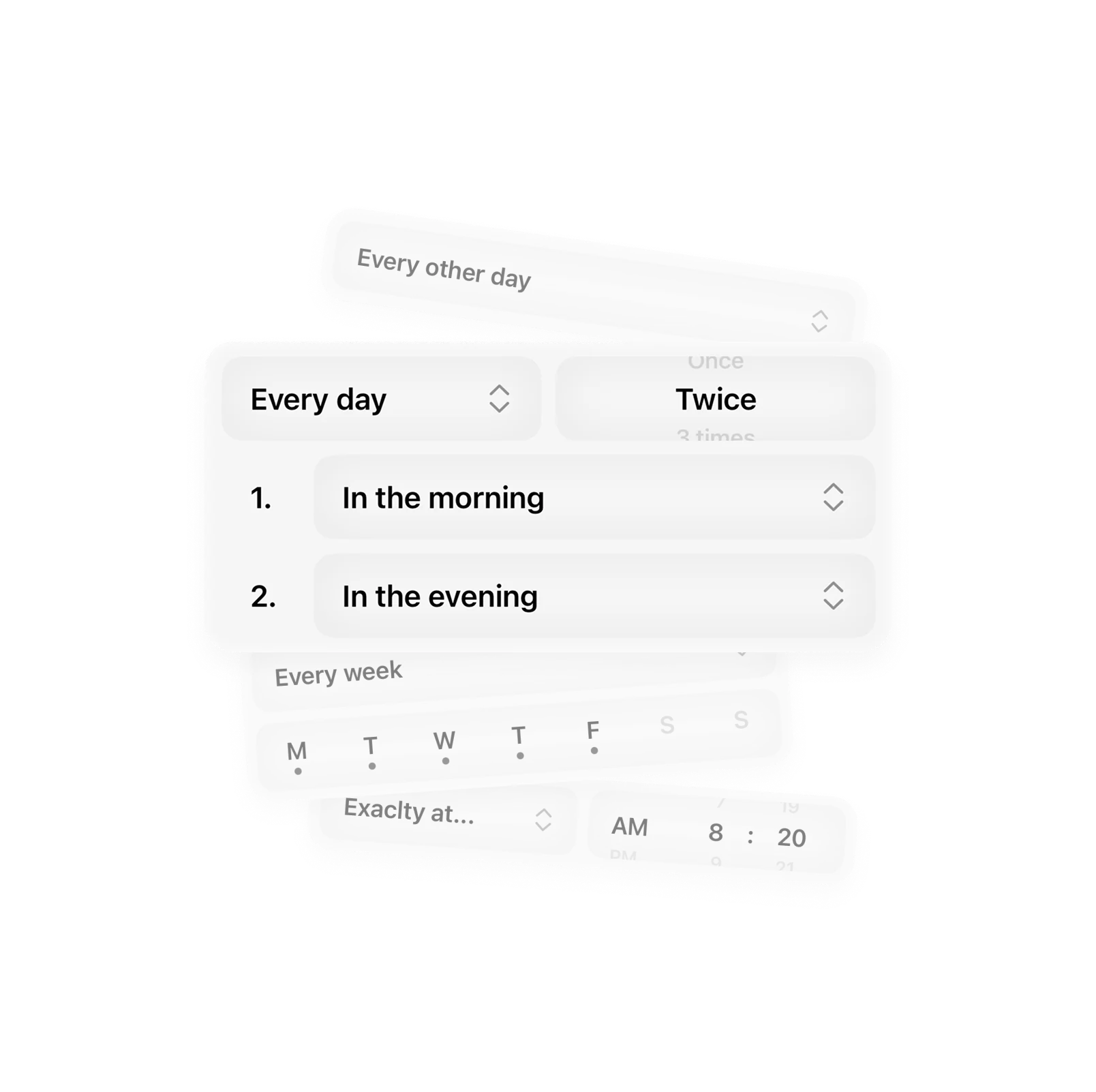
The central question I kept returning to was: what decisions can I make for the user so they don't have to make them?
User feedback across reviews and communities pointed to the same friction points: too many options upfront, too much setup before the app was useful, too many choices that didn't matter. That shaped every design decision. Instead of exposing every SF Symbol in existence, I hand-picked icons and grouped them into themes. Instead of an RGB color wheel, I offered a curated palette. Instead of account creation, onboarding takes five seconds with no signup required.
Each of these looks like a small decision. Together they add up to an app that doesn't demand anything from you before it's useful.
What I Chose Not to Build
A lot of habit trackers lean into gamification: achievements, streaks with consequences, or abstractions where your habits become a village you're building and neglected habits cause trees to die. It is easy to see the appeal, and reviews of those apps show initial excitement.
But the longer-term feedback tells a different story. The game layer becomes the thing people manage. They end up tending to a virtual village instead of building a real habit. Gamification works when a system enforces the rules. Habit tracking is entirely self-governed. Nobody is making you open the app.
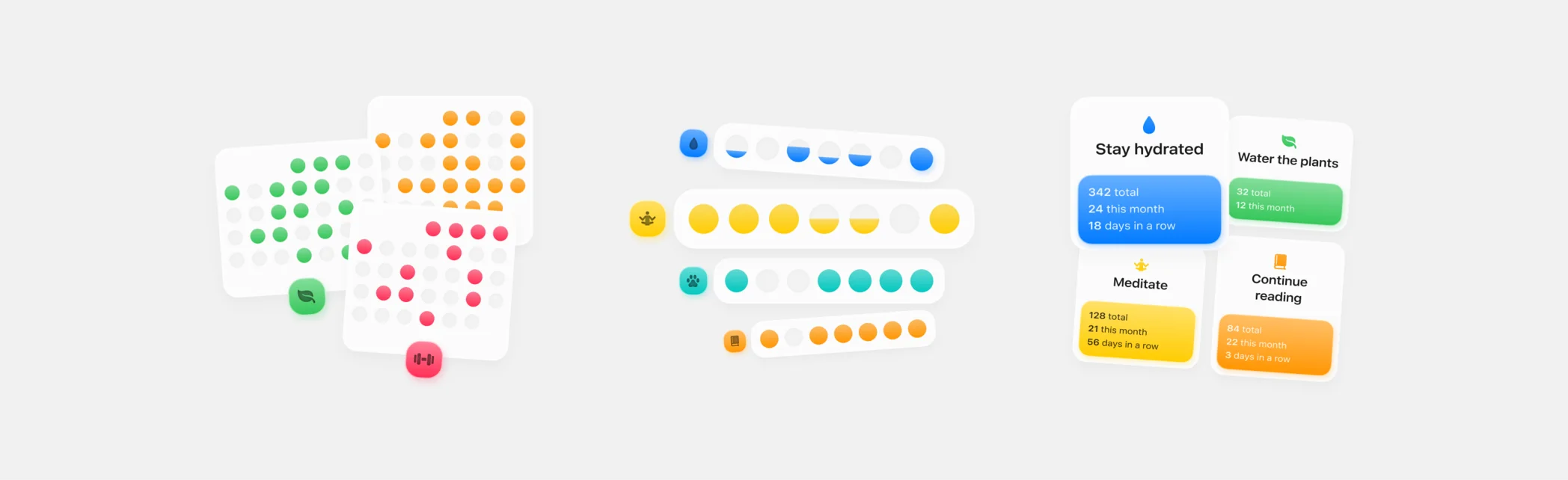
Simply Habits is almost boring by design. It gets out of your way. No rewards for opening it, no punishment for not. Just a clear view of what you set out to do and whether you did it.
Where Restraint Has a Limit
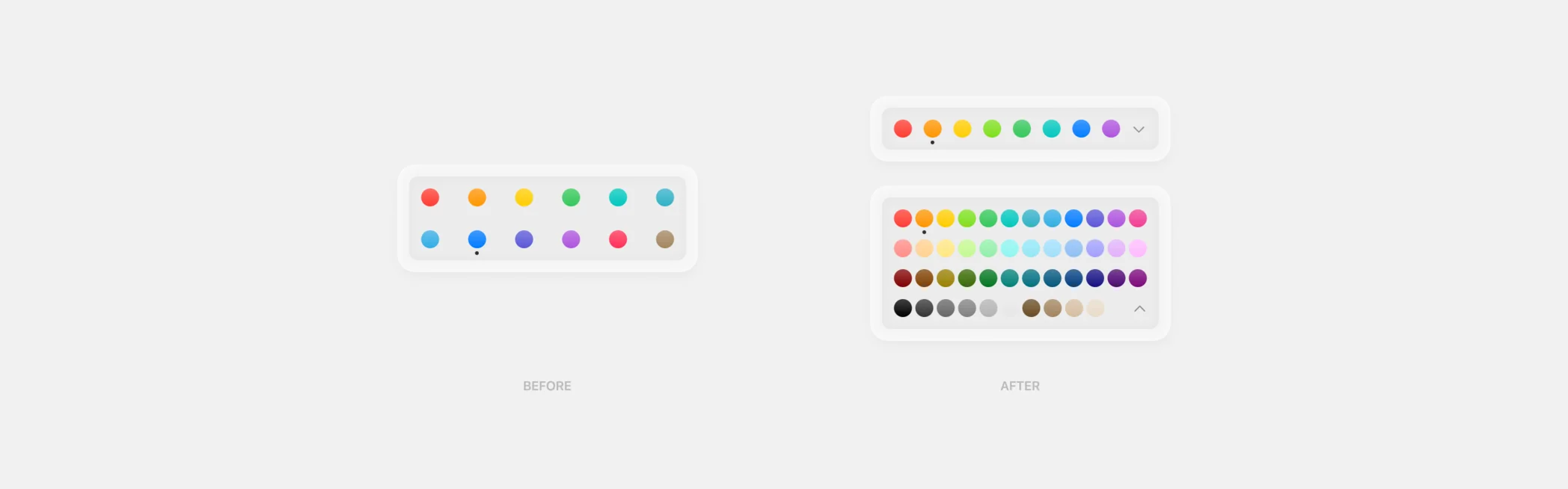
Simplicity is a principle, not a rule to follow blindly. The color palette launched with 16 options. Users soon pointed out the problem: with only one green, one red and one brown, their habits started to look the same. The constraint had crossed the line from helpful to frustrating.
I expanded it to 40 colors, adding pale and deep variants, and shipped the update within days. The palette is still curated, but now every habit can look like its own.
I had drawn the line between simple and complicated in the wrong place.
Restraint should reduce friction, not create it.
The Result
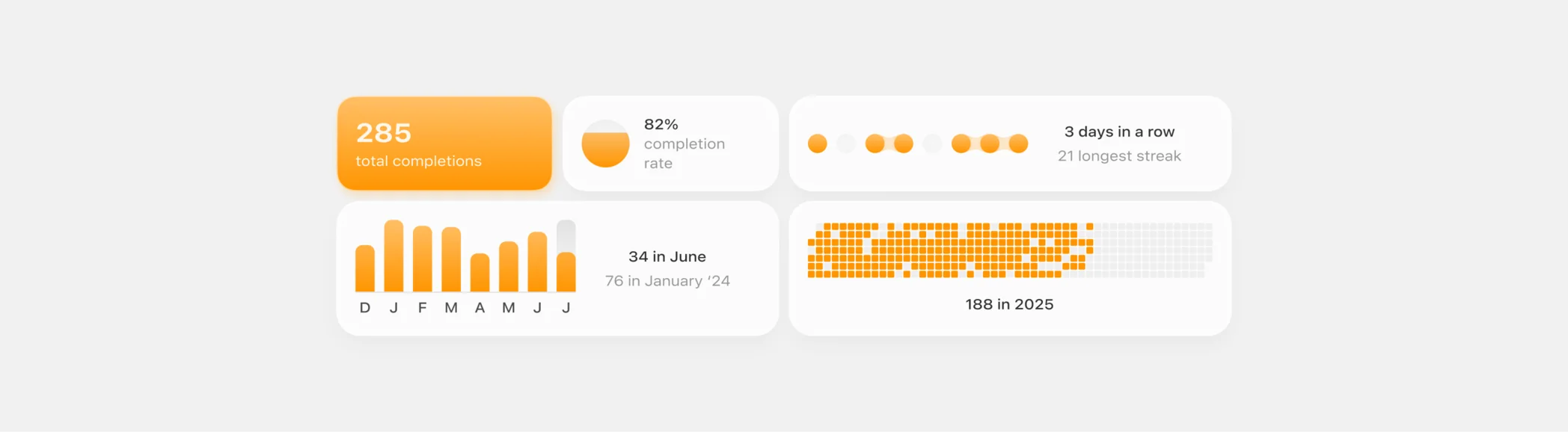
Simply Habits is live on the App Store, with 100+ weekly active users and paying customers. About a quarter of everyone who downloaded it uses it every week.
Designing, building, and shipping a complete iOS product solo meant every decision, from interaction detail to production code, was intentional and consistent.
The best interface is the one that disappears. When an app stops asking anything of you and just reflects what you set out to do, it has done its job. Not with rewards, not with abstraction, not with a game layered on top of your life. Just clarity.

Identify friction, Test solutions quickly, Iterate

macOS App Design and Development
 viktorpeschka
 AmsterdamNL